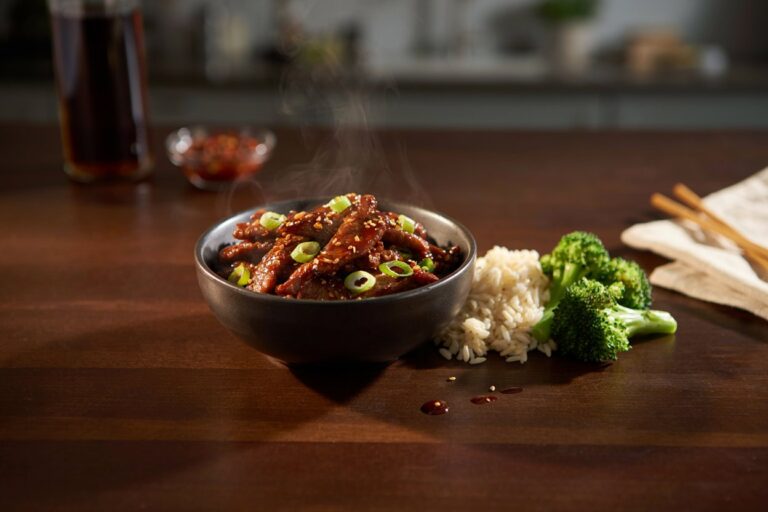
Your Home For Delicious Meat Recipes

7 Secrets to Tender and Flavorful Chinese Beef Recipes
Discover 7 essential secrets for tender, flavorful Chinese beef recipes, from thin slicing and marinades to rich sauces and perfect stir-fry techniques.

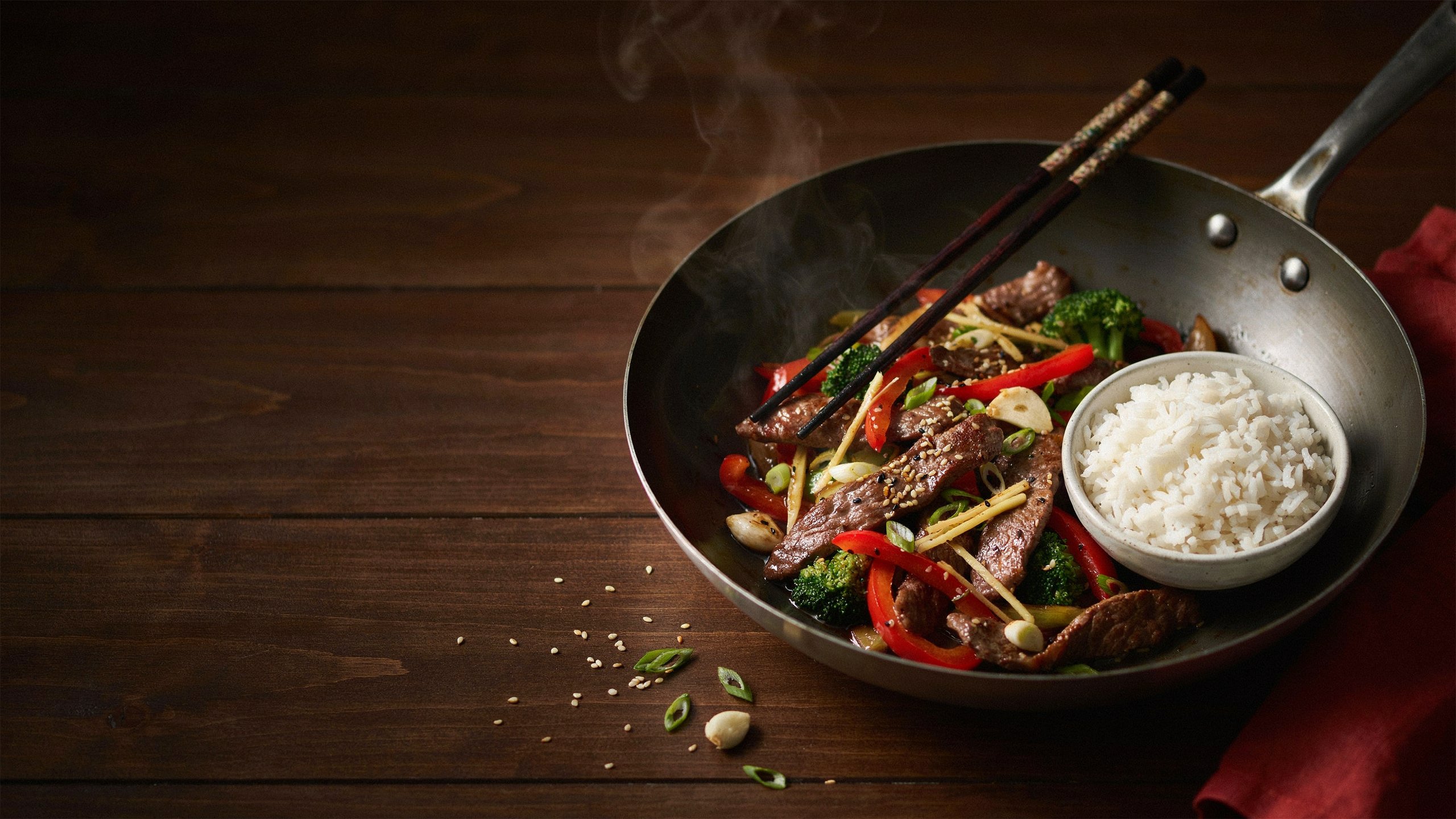
There is something deeply comforting about the smell of garlic, ginger, and sizzling beef filling your kitchen. It turns an ordinary evening into one that feels warmer, fuller, and more intentional. The best chinese beef recipes do more than copy takeout flavor. They give you that same rich satisfaction while letting you control the ingredients, the texture, and the balance of the dish.
If you have ever wondered why some homemade beef stir-fries taste flat while others feel glossy, tender, and deeply savory, the answer usually comes down to a handful of smart choices. The good news is that you do not need restaurant equipment or complicated technique. Once you understand the right cut, the right slice, the right marinade, and the right sauce, your chinese beef recipes become easier, faster, and much more reliable.
In this guide, you’ll discover seven simple techniques that can completely change the way you cook beef at home. From choosing the right cut and slicing it for tenderness to preparing a flavorful marinade and getting your sauce just right, each tip helps you create better results. Whether you’re making a quick beef stir fry or recreating your favorite restaurant style dinner, these practical techniques will help you cook with more confidence.
Table of Contents
Why Chinese Beef Recipes Feel So Comforting and Flavorful
The reason chinese beef recipes are so popular is simple: they balance several things at once. They are savory, slightly sweet, deeply aromatic, and usually quick to cook. They also combine tenderness and texture in a way that keeps dinner exciting.
Most great versions rely on familiar ingredients:
- soy sauce
- garlic
- ginger
- brown sugar
- cornstarch
- sesame oil
- green onions
Those ingredients work because each one has a job. Soy sauce brings salt and depth. Ginger adds warmth. Garlic builds savory flavor. Sugar softens the edges of the sauce. Cornstarch gives the beef a smooth coating and helps create that glossy restaurant-style finish.
This is also why chinese beef recipes are so useful on weeknights. The ingredient list is often shorter than it looks once you realize the same pantry items repeat from dish to dish.
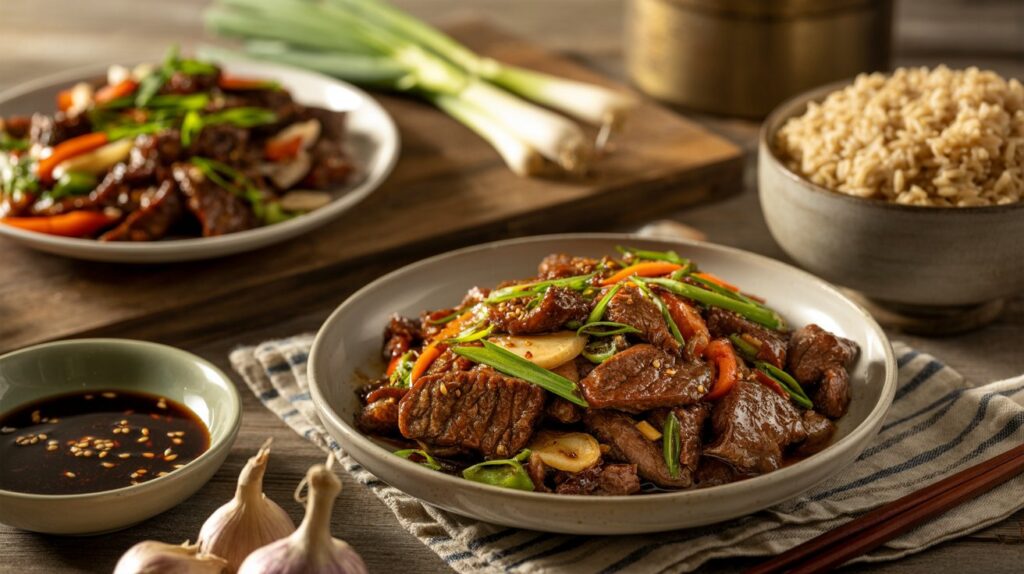
Secret 1: Choose the Right Cut for Chinese Beef Recipes
A lot of problems begin before the pan even gets hot. If the beef is too thick, too chewy, or not suited to quick cooking, the dish struggles from the start.
The best cuts for chinese beef recipes usually include:
- flank steak
- sirloin
- skirt steak
- flat iron
- ribeye if you want a richer option
These cuts work well because they cook quickly and still hold flavor. For stir fry and saucy dishes, flank steak and sirloin are usually the easiest to manage.
Choosing the right cut is especially important for dishes like Mongolian beef and garlic-ginger stir-fry, where tender strips are the star of the meal. Flank steak and sirloin are reliable options because they can be sliced thinly against the grain and cooked quickly. With proper preparation, you can achieve a tender texture without leaving the meat in the pan for too long.
Secret 2: Slice the Beef Correctly for Tender Results
Even a great cut can turn tough if you slice it the wrong way. This is why thin sliced beef matters so much.
When you use thin sliced beef, you get three major benefits:
- faster cooking
- better sauce absorption
- more tender bites
The secret to tender beef is slicing against the grain. Look for the thin lines running through the meat, then cut across them rather than in the same direction. This shortens the muscle fibers, making each bite easier to chew. For stir-fries, aim for thin, evenly sized strips so every piece cooks at roughly the same rate.
Beef slicing quick guide
| Technique | Why It Matters |
|---|---|
| Slice thinly | Helps the beef cook quickly |
| Slice against the grain | Improves tenderness |
| Partially freeze first | Makes cleaner slices easier |
For the best results, place your beef in the freezer for about 15–20 minutes until it feels firm but isn’t frozen solid. This makes it easier to cut into thin, even strips. Always slice against the grain to shorten the muscle fibers and give your stir-fry a more tender texture.
Secret 3: Use a Simple Marinade for Better Chinese Beef Recipes
A good marinade does not need to be complicated. In fact, the best marinades for chinese beef recipes are often very short.
A simple marinade can:
- season the beef early
- help it stay tender
- improve the final sauce texture
Basic marinade ingredient table
| Ingredient | Amount | Purpose |
|---|---|---|
| Soy sauce | 2 tbsp | Salt and umami |
| Cornstarch | 1 tbsp | Tenderness and coating |
| Oil | 1 tbsp | Smooth cooking |
| Garlic | 1 clove | Flavor |
| Optional rice vinegar or cooking wine | 1 tsp | Extra depth |
Even 15 to 20 minutes helps. You do not need an overnight marinade for most chinese beef recipes. The combination of soy sauce and cornstarch already does a lot of the work.
This simple marinade also works beautifully for Mongolian-style beef. The cornstarch creates a light coating around each slice, while the soy sauce adds savory depth. When you cook the beef in small batches and toss it with the sauce, you get tender, flavorful pieces coated in a glossy glaze.
Secret 4: Master the Sauce in Chinese Beef Recipes
A flavorful sauce can turn a simple beef stir fry into a dinner you’ll want to make again. The key is finding the right balance between savory, sweet, and aromatic ingredients. Soy sauce provides depth, brown sugar adds sweetness, and garlic and ginger bring warmth. A small amount of cornstarch helps the sauce thicken into a glossy glaze that coats the beef without overwhelming it.
Core sauce ingredients to keep on hand
- soy sauce
- brown sugar
- garlic
- ginger
- water or broth
- sesame oil
- cornstarch slurry
Basic sauce table for Chinese beef recipes
| Ingredient | Amount | Purpose |
|---|---|---|
| Soy sauce | 3 tbsp | Umami base |
| Brown sugar | 2 tbsp | Sweet balance |
| Garlic | 2 cloves | Depth |
| Ginger | 1 tsp | Warm aroma |
| Water or broth | 1/2 cup | Sauce body |
| Cornstarch slurry | 1 tsp cornstarch + 1 tbsp cold water | Thickens the sauce |
| Sesame oil | 1 tsp | Finish |
Once you have mastered this basic sauce, you can easily adjust it to suit different dishes. Add a little more brown sugar for a sweeter glaze, increase the ginger for a brighter flavor, or use less cornstarch if you prefer a lighter consistency. Small adjustments can make the same combination of ingredients work beautifully across several beef dinners.
A good base sauce can become:
- a simple recipe for mongolian beef
- a sweeter pf changs mongolian beef recipe
- a more balanced authentic mongolian beef recipe
The difference is not usually the whole structure. It is the ratio of sweetness, salt, aromatics, and thickness.
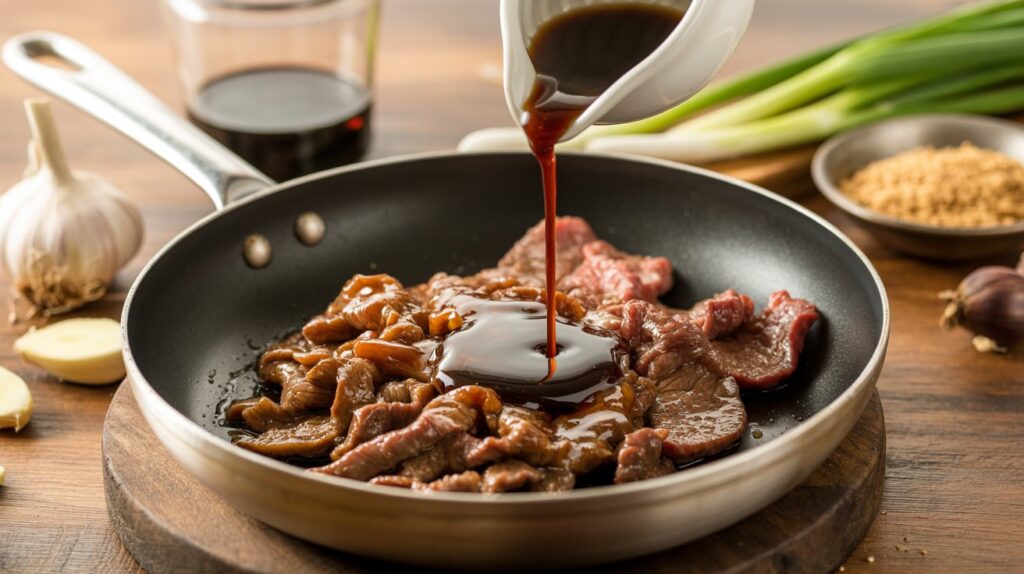
Secret 5: Build High Heat Flavor Without Overcooking
One of the reasons restaurant style stir fry feels so different is heat. High heat gives you fast browning, better texture, and a cleaner finish.
But high heat does not mean long cooking. In fact, the best chinese beef recipes usually cook quickly.
Key high-heat habits
- preheat the pan properly
- cook the beef in batches if needed
- do not crowd the pan
- keep vegetables moving, but let the beef brown
- add green onions at the end
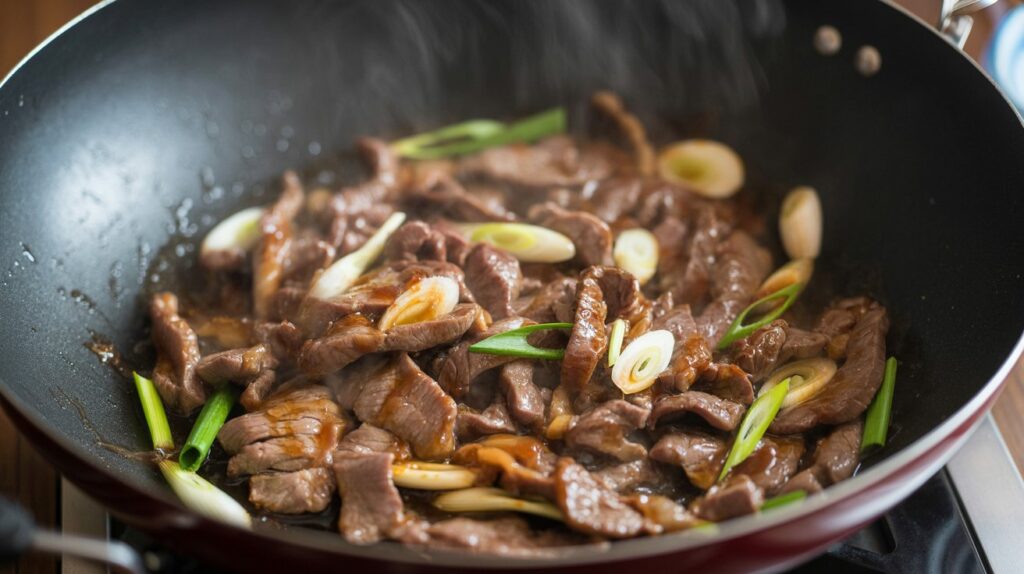
When you add too much beef to the pan at once, moisture builds up and the meat begins to steam instead of sear. To avoid this, cook smaller batches and give each piece enough room to brown. This technique is especially useful for restaurant inspired Mongolian beef, where lightly crisp edges and a glossy sauce create a delicious contrast in texture.
Secret 6: Use Thin Sliced Beef for Mongolian Beef Success
Mongolian style beef is all about the contrast between tender meat and a rich, glossy sauce. Getting the texture right starts with how you prepare the beef. Thin, evenly cut strips cook quickly, making it easier to achieve a tender result while allowing every piece to pick up the savory sweet glaze.
For a restaurant style Mongolian beef dish, aim for thin, evenly sliced strips that cook quickly and develop a lightly browned exterior. This helps the savory-sweet sauce coat each piece without turning the beef tough or leaving the dish overly saucy.
For the best texture, cut the beef into thin, even strips against the grain. This helps each piece cook quickly and evenly while allowing the sauce to coat the meat without overwhelming it.
Why thin sliced beef works for Mongolian beef
- it cooks in minutes
- it becomes tender faster
- it holds the sauce better
- it creates the glossy coated finish people expect
For a delicious homemade Mongolian beef dinner, lightly coat the sliced meat with cornstarch before cooking it in small batches. Once the beef develops a golden-brown exterior, toss it with your prepared sauce and let everything cook together briefly until the glaze coats each piece. Finish with freshly chopped green onions for a little color and freshness.
Secret 7: Balance Chinese Beef Recipes With the Right Sides
A great main dish still needs the right side. The side dish changes how heavy, rich, or balanced the whole dinner feels.
Best side dishes for Chinese beef recipes
- steamed jasmine rice
- fried rice
- noodles
- broccoli
- bok choy
- snow peas
- cucumber salad
Side pairing table
| Main Beef Style | Best Side Dish |
|---|---|
| Saucy Mongolian-style beef | Jasmine rice |
| Pepper beef stir-fry | Noodles |
| Garlic ginger beef | Bok choy or broccoli |
| Sweet-savory beef | Rice and cucumber salad |
This matters because even the best chinese beef recipes can feel overwhelming if everything on the plate is too rich. A crisp or simple side often makes the whole meal better.
Must Try Chinese Beef Recipes to Make at Home
Not sure what to make for dinner? These Chinese inspired beef dishes offer plenty of delicious options, whether you’re craving a quick stir fry, a savory garlic and ginger combination, or tender beef coated in a rich Mongolian style sauce. Each one brings something different to the table, giving you plenty of ways to turn a simple cut of beef into a satisfying homemade meal.
Classic stir fry beef ideas
- garlic ginger beef
- pepper beef
- broccoli beef
Mongolian beef variations
Each version brings something different to your dinner table. A simple homemade Mongolian beef dish is ideal when you want a quick meal with a savory-sweet sauce. A PF Chang’s inspired version delivers a richer, sweeter glaze, while other variations let you experiment with ginger, garlic, and different levels of sweetness. Choose the approach that suits your taste and serve it with steamed rice or crisp vegetables for a complete meal.
Common Mistakes That Ruin Chinese Beef Recipes
A few small mistakes can drag the whole dish down.
Slicing the beef too thick
This makes the meat harder to tenderize and slower to cook.
Skipping the cornstarch
Using Too Much Cornstarch
Cornstarch can help create a light coating on your beef and thicken your sauce, but adding too much can leave the dish sticky or gummy. Use a thin coating when preparing the meat, and add your cornstarch slurry gradually to the sauce. Stop once it reaches a smooth consistency that lightly coats each slice.
Overcrowding the pan
This prevents browning and creates steam.
Overcooking the sauce
Too much reduction can make the dish sticky, overly salty, or too sweet.
For food safety, don’t rely on the color of your beef alone. The USDA recommends cooking whole cuts of beef to a minimum internal temperature of 145°F (63°C), followed by a three minute rest. Use a food thermometer and consult the USDA safe temperature chart for additional guidance.
FAQ About Chinese Beef Recipes
What are the best cuts for chinese beef recipes?
Flank steak, sirloin, skirt steak, and flat iron are some of the best choices because they cook quickly and stay tender when sliced correctly.
Why is thin sliced beef better for stir-fry?
Thin sliced beef cooks faster, stays more tender, and catches sauce more evenly.
Is Mongolian beef an authentic Mongolian dish?
Despite its name, Mongolian beef is not a traditional dish from Mongolia. Its roots are associated with Taiwanese restaurant cooking, and it later became popular in Chinese-American cuisine. The familiar version features tender sliced beef coated in a savory-sweet sauce, often finished with green onions. PF Chang’s offers its own restaurant-style interpretation of this popular dish.
What is the easiest recipe for mongolian beef to make at home?
A basic recipe for mongolian beef usually starts with thin sliced beef, soy sauce, garlic, ginger, brown sugar, and a cornstarch-thickened sauce.
Are chinese beef recipes good for weeknight dinners?
Yes. Many chinese beef recipes cook quickly, especially when you start with the right cut and use a simple sauce.
Can chinese beef recipes be meal prepped?
Yes. Beef and rice or beef and vegetables work especially well if stored properly and reheated carefully.
Conclusion
The best chinese beef recipes are not built on complexity. They are built on smart choices. The right cut, the right slice, a short marinade, a balanced sauce, and good heat all make a bigger difference than a long ingredient list ever could.
Once you’ve mastered these techniques, you can explore a whole range of delicious beef dishes. Start with a simple stir-fry, experiment with different vegetables and seasonings, or try making Mongolian beef with a glossy, savory sweet sauce. The more comfortable you become with slicing, marinating, and controlling the heat, the easier it will be to prepare flavorful homemade meals that suit your taste.
Ready to put these tips into practice? Start with your favorite beef stir-fry, experiment with the seasonings you enjoy, and discover how a few simple techniques can transform your weeknight dinners. If you’re craving something rich and savory, try our homemade Mongolian beef recipe next. We’d love to hear which dish you make first, so share your favorite in the comments!